
Buying guide · Indoor viewing
Opera and theatre glasses
Understand why 3× to 4× theatre glasses differ from outdoor 8× compacts, and check focus, field and venue rules before buying.
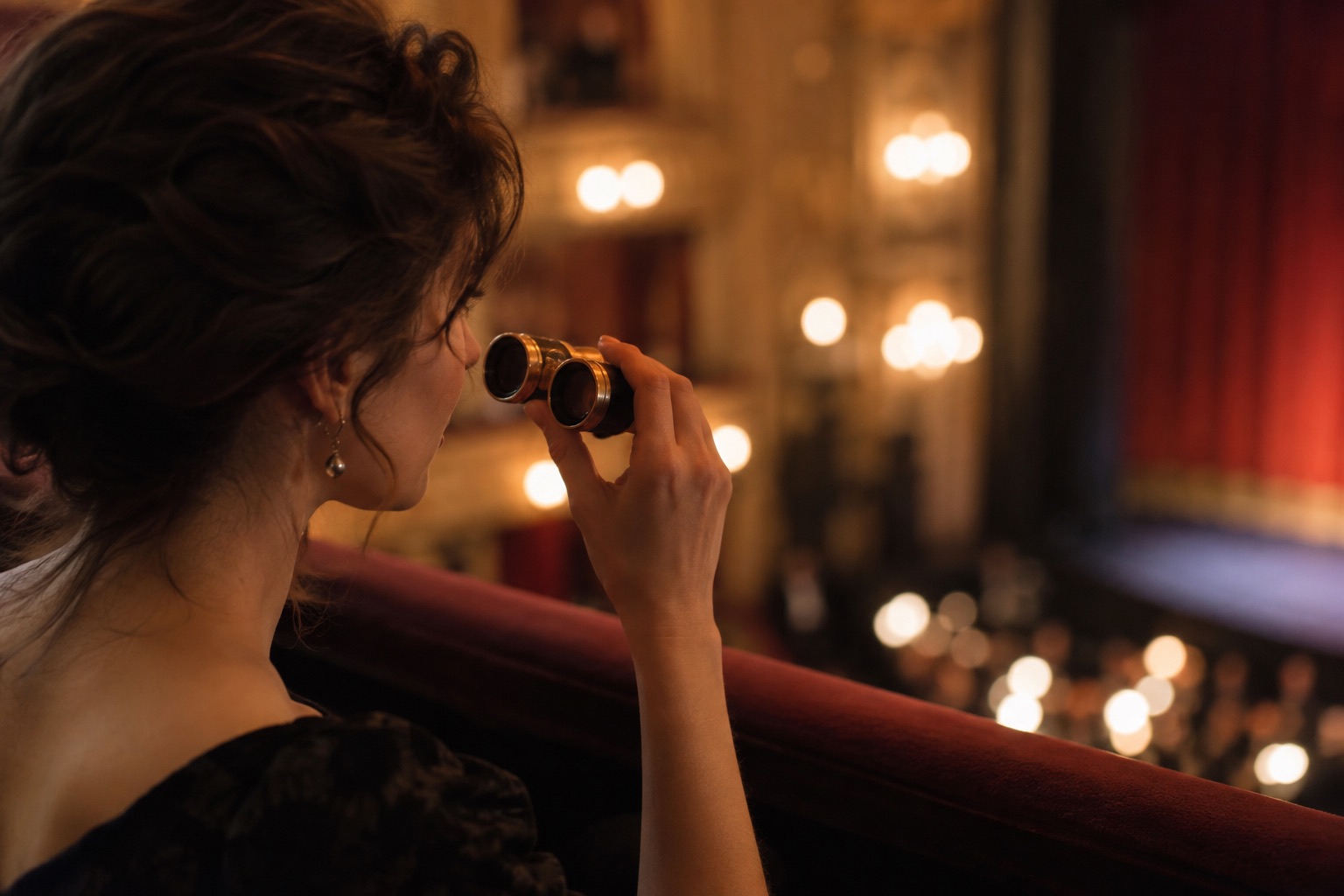
Check the seat-to-stage distance and the venue's permitted items.
Prioritise a broad field, low shake and simple focus.
Do not mistake a stylish shell for evidence of optical quality.
Quick picks
Choose by the detail that matters most
Links open the matching Amazon UK listing. Prices and sellers can change, so confirm the model name and ASIN before buying.
The detailed shortlist
An outdoor compact, with a clear theatre caveat
The Nikon SPORTSTAR EX II 8×25 below is an outdoor compact for distant seats and broader travel use, not a dedicated low-power opera glass.

Nikon SPORTSTAR EX II 8x25
Best for: Travel and all-day carry
A genuinely pocketable 310g binocular with a wide 8.3-degree field and a waterproof, nitrogen-filled body.
What stands out
- Only 310g
- Wide 8.3-degree field
- Waterproof and nitrogen-filled
Keep in mind
- 25mm objectives are less forgiving at dusk
- Compact controls can be fiddlier with gloves
- 8×25
- 310g
- 8.3° field
- Waterproof
Theatre optics solve a different problem from birdwatching binoculars. You want to read an expression or costume detail while still following the action across a stage. Very high magnification can isolate one face and lose the rest of the scene. It also magnifies hand tremor while you sit in a crowded row.
Why 3× or 4× is a useful starting range
At modest power, a performer looks nearer without turning the stage into a narrow moving target. A small body is easier to lift briefly and put down between scenes. Nikon describes its 4×10 DCF specifically for theatres, museums and galleries. Its 10mm objectives keep it extremely compact, but that is not a recipe for low-light outdoor viewing. If shopping for this theatre-specific format, check that the exact model and seller are available to you; the outdoor 8×25 shown below is not a substitute for a closer seat.
When an 8×25 compact can still make sense
The Nikon SPORTSTAR EX II 8×25 is an outdoor pair that also fits in a small bag. It is waterproof, weighs 310g and has an 8.3° published field. From a distant balcony, it can be a useful multi-purpose compromise if you already need it for travel or sport. For a close or middle seat, its 8× power is unnecessarily tight, and its 10mm eye relief is poor for many glasses wearers. Buy it for broader use, not because it looks like an opera glass.
Three checks before paying
First, consider the actual seat: a rear gallery needs more reach than a front stall. Second, try the focus on a subject at approximately the stage distance; a fixed-focus ornament may not suit your eyes. Third, check the venue's current permitted-items policy. Photography restrictions are separate from simply using optical glasses, so do not assume one settles the other. If your primary use is stadium or outdoor action, the sports binocular guide is the better starting point.
Match the view to the performance
For drama or dance, you may want to see a performer's expression and enough surrounding action to understand the scene. A low-power glass makes that easier than holding a tight 8× view on one face. From the back of a large auditorium, the trade-off shifts: an 8×25 can pick out detail, but it will take more careful aiming and steadier hands. If you mainly attend concerts, think about whether you watch one performer or the full ensemble. No quoted magnification tells you the angle of your seat, so borrow or try a pair from a comparable distance if possible.
Do not confuse a small objective with poor performance in every indoor setting. The audience area can be dark while the stage is brightly lit. A 4×10 theatre design is intended for that lit subject, not for scanning the unlit room between scenes. If the performance uses deliberately dim staging, neither a tiny theatre glass nor a narrow, shaky high-power compact can manufacture missing light.
Comfort, discretion and glasses
Check that the eyepieces can be held at a natural distance without leaning forward into the person in front. If you wear glasses, try to see the whole stage-framing circle with them on; the SPORTSTAR's 10mm published eye relief makes that especially uncertain. A small glass that disappears into a pocket or bag is often easier to manage in a close row than a large outdoor binocular with a dangling strap. Focus on a stationary feature before the house lights go down, and lower the glass during scene changes rather than chasing every movement through it.
The linked 8×25 recommendation remains a multi-purpose, distant-seat option. For theatre-only use, try a genuine 3× or 4× model first; this page does not represent the Amazon product as the best fit for every seat.
Frequently asked questions
Opera-glass questions
Are opera glasses the same as binoculars?
They are a binocular format, but usually use much lower magnification and a smaller, more discreet body for indoor viewing.
Is 8× too much for a theatre?
Often, especially in front and middle rows. It narrows the portion of the stage you see and makes hand movement more noticeable.
Will 4×10 work in a dark auditorium?
A 10mm objective limits light collection. Use it mainly for a lit stage; do not expect an outdoor dusk view.
Can I take opera glasses into every venue?
Check the specific venue's current bag and recording rules before attending. Policies vary.