
Carrying · Buying guide
Best binocular straps
Choose a replacement binocular neck strap by lug fit, padding, adjustable length and whether quick release is actually useful.
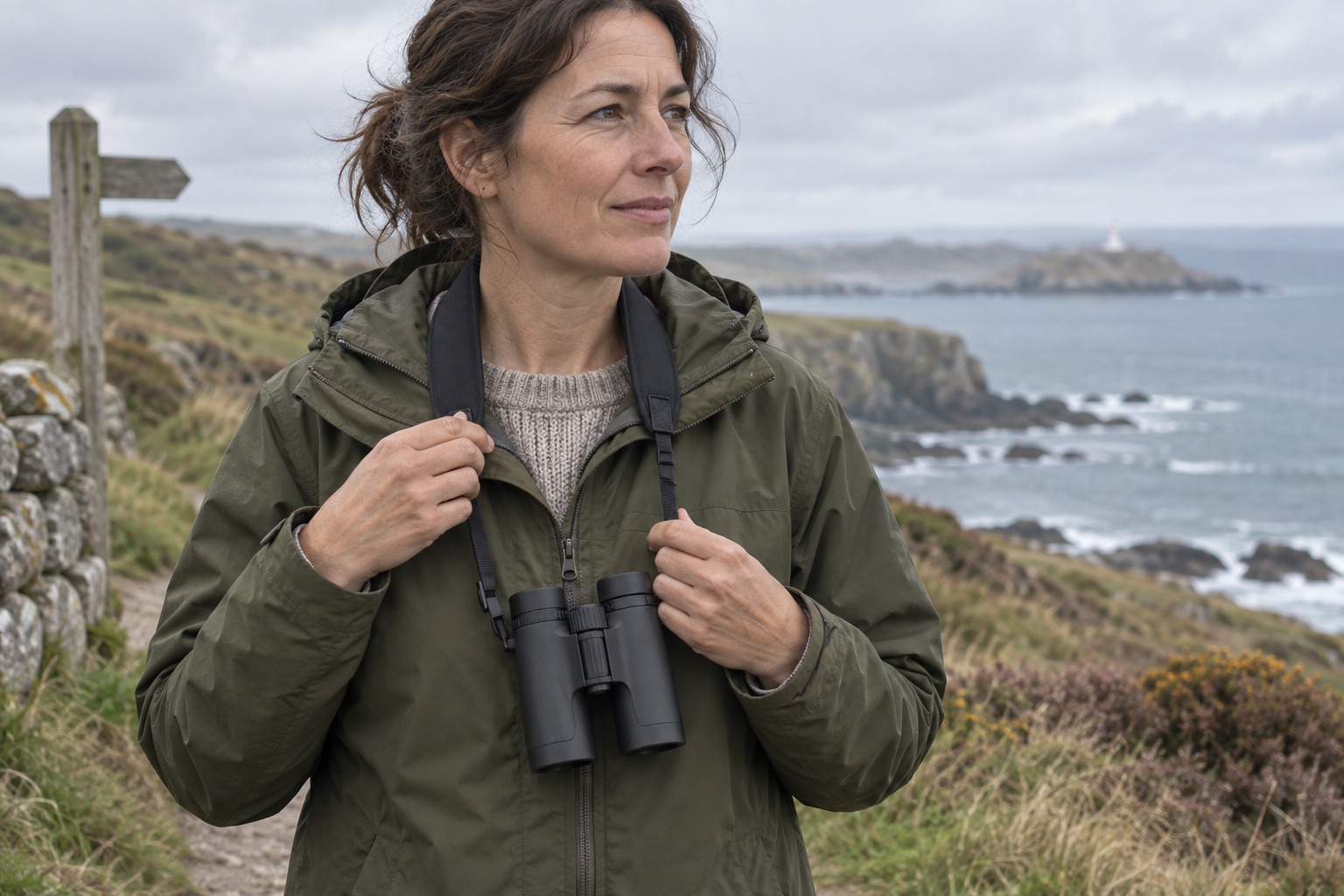
Measure both strap-lug openings and inspect the supplied end fittings.
Set a length that clears clothing without striking your belt.
Tug-test buckles and ends over a soft surface.
Quick picks
Choose by the detail that matters most
Links open the matching Amazon UK listing. Prices and sellers can change, so confirm the model name and ASIN before buying.
Swipe to compare all details →
| Strap | Lug end | Detachable | Best use |
|---|---|---|---|
| E-Z Comfort 2701252 | 3/8in webbing | No | Simple everyday carry |
| Super Classic 1001082 | Pro-Loop 1/4in webbing | Yes | Case-to-strap changes |
The detailed shortlist
Exact replacement straps
The attachment variant matters more than the pad colour or the word universal.

OP/TECH E-Z Comfort Strap 2701252
Best for: Everyday neck carry
A padded neck or shoulder strap with 3/8-inch webbing ends for binocular strap lugs.
What stands out
- Padded neck section
- Adjustable 22–44in length
- Straightforward lug attachment
Keep in mind
- No quick-release connectors
- Confirm lug opening
- Model 2701252
- 3/8in webbing
- 22–44in length

OP/TECH Super Classic Strap Pro-Loop 1001082
Best for: Switching between case and neck carry
A neoprene carrying strap with detachable Pro-Loop ends for compatible binocular strap lugs.
What stands out
- Quick-disconnect ends
- Neoprene shoulder section
- Pro-Loop attachment
Keep in mind
- Pro-Loop and Uni-Loop variants differ
- Check lug size and connector clearance
- Pro-Loop variant 1001082
- 1/4in loop webbing
- Quick disconnect
A replacement strap is inexpensive compared with the binocular hanging from it. Start with the two small strap lugs, not the neck pad. Check whether your pair uses plain webbing slots, rings or proprietary connectors. The replacement should pass through without folding sharply or rubbing on a housing edge.
Simple padded webbing
The OP/TECH E-Z Comfort 2701252 has 3/8-inch webbing ends and a published adjustable length of 22–44 inches. It is a clean choice when both binocular lugs are wide enough. The padded section spreads pressure across more of the neck or shoulder than a narrow woven strap. It has no quick-release junction: removing it means unthreading the ends. That is fine if you usually leave a strap attached.
Detachable Pro-Loop webbing
The Super Classic comes in variants. The linked 1001082 Pro-Loop uses 1/4-inch loop webbing and connectors that release the padded section. A similarly named Uni-Loop listing is not the same attachment. Quick release helps when a binocular moves between a protective case, a tripod and shoulder carry. It also adds junctions to inspect. If you never detach the strap, that hardware may not earn its keep.
Adjust for the route
Hang the binocular high enough not to knock against your abdomen on steps or stiles. Check again while wearing a winter coat. A loose neck strap can swing when bending over water or into a hide; hold the binocular body or consider a harness. Do not leave binoculars dangling by a strap from a moving vehicle.
Neither example is buoyant or makes the binocular float. For boat use, check model-specific floating straps and still retain a secure grip. After a wet trip, dry webbing before packing it tightly against the optics.
Confirm the attachment before buying
Lay the original strap beside the binocular and photograph how each end passes through its lug. An advertised webbing width is only one dimension: a narrow slot, recessed fitting or proprietary clip may still prevent safe threading. The E-Z Comfort's wider webbing ends suit a straightforward lug with enough clearance; the Super Classic Pro-Loop uses a narrower loop and a detachable junction. Do not substitute a similarly named Uni-Loop variant without checking the exact supplied ends. After threading, make sure each tail is secured as the maker specifies, then gently pull both sides over a padded surface.
Choose for how you actually carry
If the pair spends a few minutes around your neck on a short garden visit, a simple padded strap may be sufficient. For a long walk with a heavier 8×42, test where the strap contacts your neck under a coat collar and whether the binocular bounces on slopes. A detachable pad can be convenient when you move between a tripod and a close-fitting case, but the connectors are extra parts to inspect before each outing. An open harness may reduce neck load and swing; a pouch harness adds protection at the cost of a slower draw. Neither choice fixes an uncomfortable binocular grip or eye spacing.
Keep the length short enough that the body does not strike a gate when you bend, but leave room to raise it without pulling on your neck. If two people share the same pair, reset the length and check the ends each time. A strap is a retention aid, not a carrying handle for swinging the instrument or leaving it suspended unattended.
Frequently asked questions
Binocular strap questions
What strap width fits my binocular?
Measure the binocular lug opening and the attachment webbing or loop of the exact strap variant; the neck-pad width is not the relevant size.
Can I replace only one side of an old strap?
Replace and inspect both attachments. Mismatched worn and new webbing can carry unevenly.
Are quick-release buckles secure?
They can be when paired and fully engaged. Inspect for wear and tug-test both sides before field use.
Will a padded strap stop binocular bounce?
Padding addresses pressure, not swinging. Adjust its length or consider a harness for longer walks.