
Specialist formats · Stabilised optics
Best image-stabilised binoculars
Compare Canon 10×20 IS, 10×30 IS II and 12×36 IS III for steadiness, light, reach, batteries and real situations where stabilisation is worth buying.
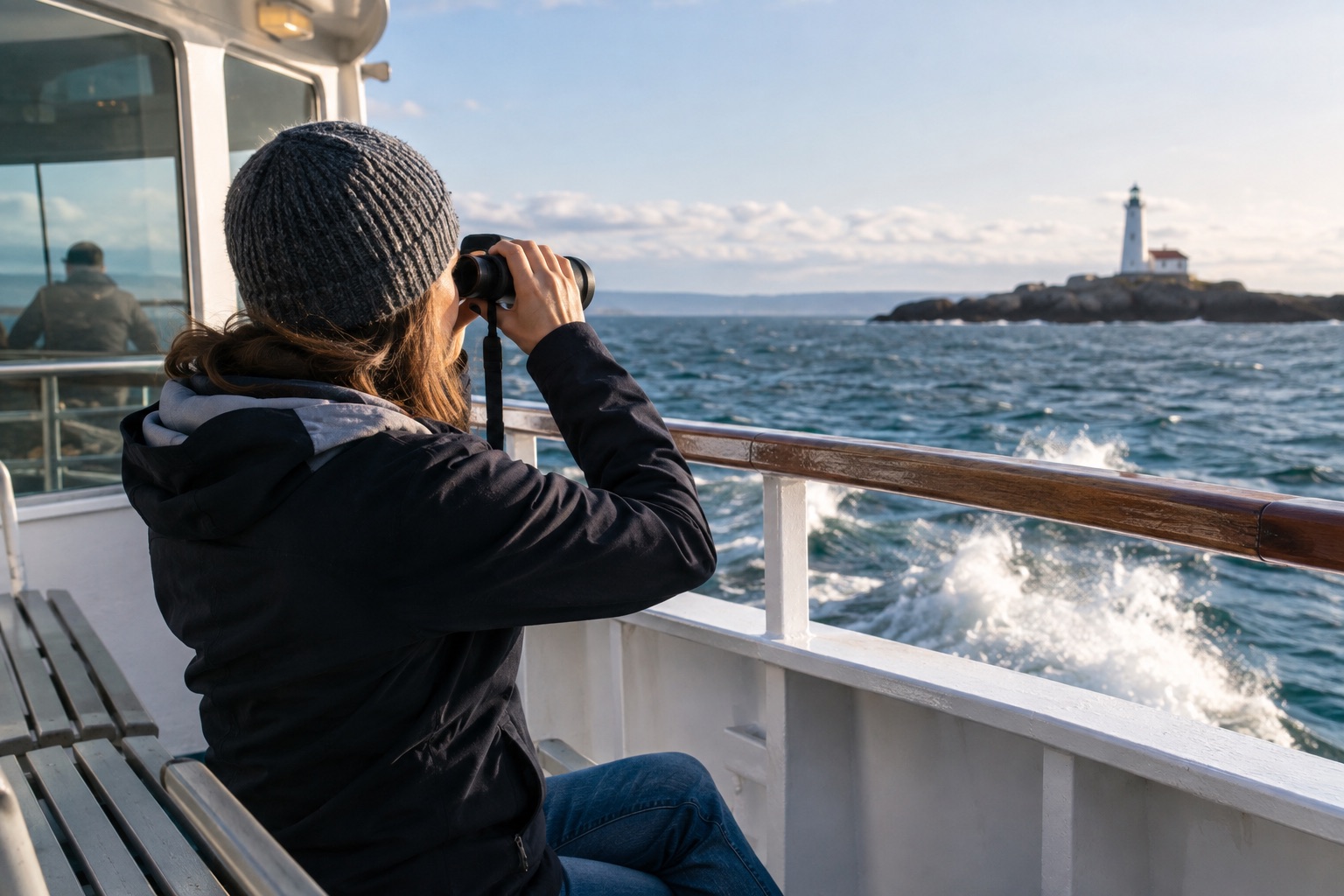
The technology reduces hand-shake in the image; it cannot stop subject motion.
Try the stabiliser switch, eyecups and focus with your own hands before committing.
Check batteries and the maker's weather limits before a trip.
Quick picks
Choose by the detail that matters most
Links open the matching Amazon UK listing. Prices and sellers can change, so confirm the model name and ASIN before buying.
Swipe to compare all details →
| Model | Format | Exit pupil | Best use | Main limitation | |
|---|---|---|---|---|---|
| Canon 10×30 IS II | 10×30 | 3mm | Balanced daytime viewing | Battery and modest dusk margin | |
| Canon 10×20 IS | 10×20 | 2mm | Compact sport and travel | Small bright-day exit pupil | |
| Canon 12×36 IS III | 12×36 | 3mm | Distant daylight detail | Narrower | less forgiving view |
The detailed shortlist
Three stabilised formats for different jobs
Exact Canon Amazon UK product variants are linked below. Check the model suffix and battery details at the retailer.

Canon 10x30 IS II
Best for: Steady general daytime viewing
A 10×30 stabilised binocular balancing a steadier 10× view with a more useful 3mm exit pupil than a pocket 10×20.
What stands out
- 10× view with push-button stabilisation
- 30mm objectives improve light margin over 10×20
- Handheld format
Keep in mind
- Batteries must be carried
- Stabilisation cannot make a dark 30mm image bright
- 10×30
- 3mm exit pupil
- Image stabilisation
- Battery powered

Canon 10x20 IS
Best for: Daytime sport and travel
A 430g battery-powered stabilised 10×20 that prioritises compact, steady daytime viewing.
What stands out
- 430g compact body
- Button-activated optical stabilisation
- Up to 12 hours stated battery life
Keep in mind
- 2mm exit pupil is unforgiving in dim light
- Requires a CR123A battery
- 10×20
- 430g
- 2mm exit pupil
- CR123A battery

Canon 12x36 IS III
Best for: Distant detail without a tripod
A 12×36 stabilised binocular for distant daytime detail when a conventional 12× view would be difficult to hold steady.
What stands out
- 12× apparent reach
- Optical stabilisation helps reveal detail
- 36mm objectives are less restrictive than 20mm
Keep in mind
- 3mm exit pupil is not a low-light solution
- Narrower view and heavier handling than 10× models
- 12×36
- 3mm exit pupil
- Image stabilisation
- Battery powered
Image-stabilised binoculars address a specific frustration: the subject seems large enough, but the view quivers too much to resolve detail. An optical stabiliser can reduce that motion. It does not widen the field, brighten the image, stop a running animal or make weather sealing unnecessary.
Canon 10×30 IS II: the balanced daylight pick
Ten-times magnification is where many observers begin to notice shake. The 10×30 IS II is the middle choice: more objective diameter than the pocket 10×20, without moving to the bulk of the 12×36. Its 3mm exit pupil still points to daylight and good overcast conditions rather than serious twilight.
For a distant bird perched across open ground or a sports subject from a far seat, pressing the stabiliser button can make the view more settled than unsupported conventional 10×. Try how the button sits under your fingers: if keeping it pressed or reaching it changes your grip, the theoretical benefit may not translate into comfort.
Canon 10×20 IS: carry convenience with a strict light limit
Canon states 430g and up to 12 hours of stabilisation from one CR123A battery for the 10×20 IS. The compact body is attractive for travel and daytime spectator sport. The 2mm exit pupil is its defining compromise. Even when the image is beautifully steady, dim scenes will not acquire the brightness of an 8×42.
This model is therefore not the clever way to solve dusk birdwatching. Choose it when compactness and a steadier 10× image are worth more than low-light margin. For a conventional alternative, see best compact binoculars.
Canon 12×36 IS III: detail from a fixed position
The 12×36 IS III adds apparent reach for distant subjects. Stabilisation is especially relevant at 12×, but framing and reacquiring a moving subject become harder. Its 3mm exit pupil is no more forgiving than the 10×30's, and the larger body is less convenient to carry casually.
Choose it for supported or seated daytime observation of relatively slow subjects, not fast woodland birds or twilight. If the subject remains extremely distant, atmospheric haze can still erase detail; stabilisation cannot correct the air between you and it.
What stabilisation does and does not fix
The benefit is greatest when hand movement is the limiting factor. It may let you discern a feature that a shaking conventional 10× obscures. It cannot compensate for a subject that moves quickly, an eyecup that does not fit, an insufficient objective size or a poor focus setting. It also introduces a battery dependency and different mechanical feel.
Some observers prefer a conventional 8×42 with a wide field and simple controls. The best 8×42 binoculars guide is the counterpoint. If low light is the main job, compare low-light binoculars rather than assuming the stabilised label wins.
Before you buy
Handle the model with your own glasses and check whether the complete field is visible. Activate the stabiliser while following a moving and a stationary subject; the experience differs. Check current battery type, replacement availability, weather protection and retailer warranty for the exact suffix. Do not assume all Canon IS models have identical sealing.
For prolonged astronomy or a fixed wildlife viewpoint, a conventional binocular on a sound tripod may be more comfortable and less battery-dependent. For moving vehicles and events, the convenience of instant hand-held stabilisation is more distinctive. The right answer is the one that solves your actual source of blur.
Frequently asked questions
Stabilised-binocular questions
Are image-stabilised binoculars worth it?
They can be when hand shake is the main limit, especially at 10× or 12× and from a fixed position. They add cost, batteries and different handling, so a comfortable 8× may still be better for general wildlife.
Do stabilised binoculars work without batteries?
You can generally still view through the optics, but the stabiliser will not operate. Check the exact model manual for controls and battery type.
Are stabilised binoculars better in low light?
A steadier image can make detail easier to see, but stabilisation does not increase light collection. A 10×20's 2mm exit pupil remains a major dusk limitation.
Can stabilisation replace a tripod for astronomy?
It can improve short handheld looks, but it is not a substitute for a stable mount during long sessions or for very large binoculars. Aperture and sky darkness still matter.