
Buying guide · Monoculars
Best monoculars UK
Compare four exact monoculars for UK buyers by portability, field, eye relief, close focus and weather protection—without implausible high-power claims.
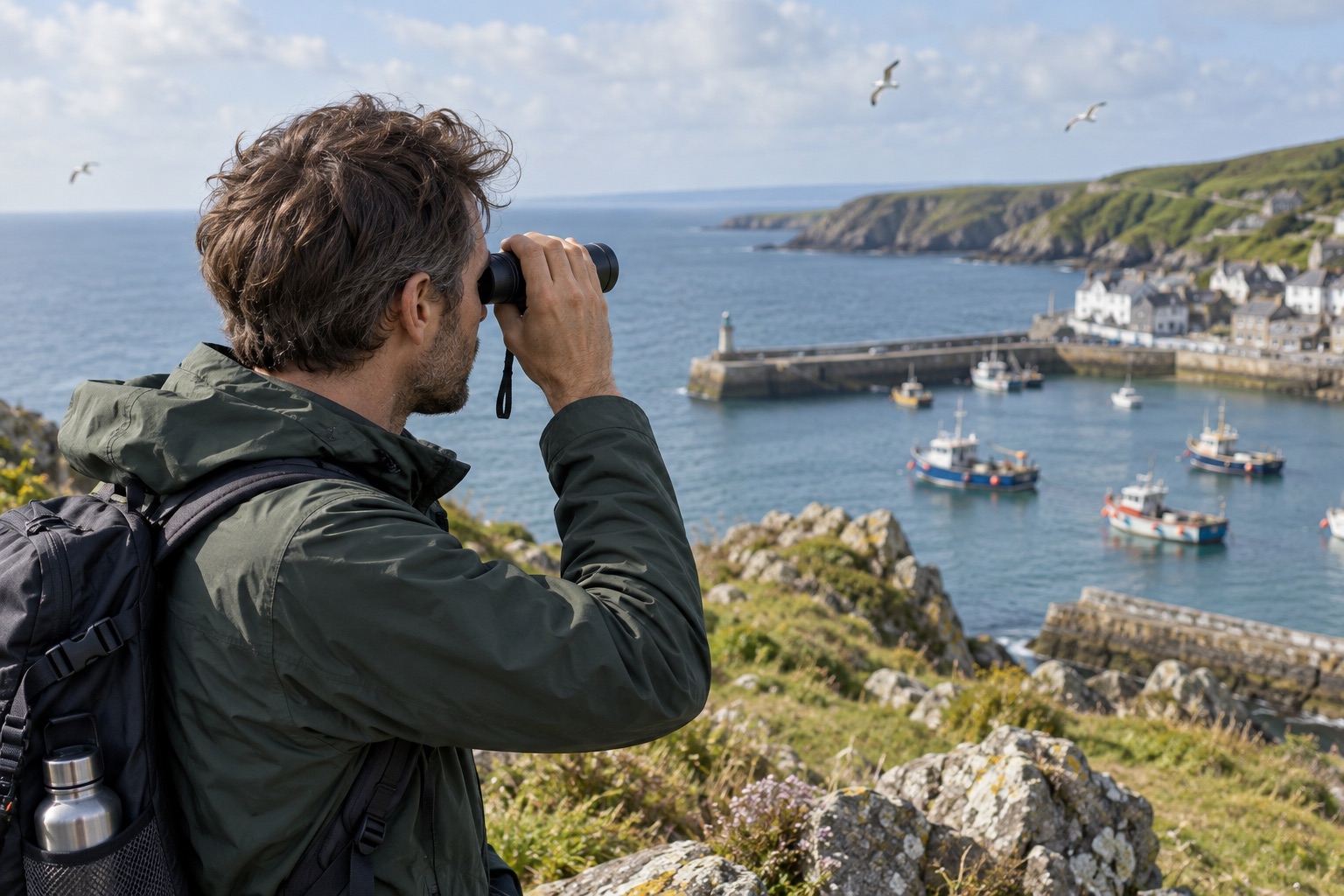
Eight-times magnification is usually easier to hold steady with one hand than 10×.
An 8×42 has a 5.25mm exit pupil; 8×25 has 3.1mm, and 10×25 only 2.5mm.
Check exact model code and format at Amazon checkout; retailer titles can be inconsistent.
Quick picks
Choose by the detail that matters most
Links open the matching Amazon UK listing. Prices and sellers can change, so confirm the model name and ASIN before buying.
Swipe to compare all details →
| Model | Format | Weight | Field at 1km | Eye relief | Close focus |
|---|---|---|---|---|---|
| Opticron Explorer WA ED-R | 8×42 | About 329g | About 131m | 17mm | 1.9m |
| Hawke Endurance ED | 8×25 | 150g | 119m | 13mm | 5m |
| Vortex Solo | 8×25 | About 159g | About 126m | 15mm | 5m |
| Celestron Nature | 10×25 | 170g | 93m | 14mm | 5.5m |
The detailed shortlist
Four monoculars with clear model identities
Product images and buttons correspond to exact Amazon UK listings. The Vortex retailer title says “binoculars” and Celestron adds “DX”; check the pictured one-eye format and model codes S825 and 71210 before buying.

Opticron Explorer WA ED-R 8x42 monocular
Best for: Birds and close nature
A one-eye 8×42 with ED glass, a generous published field and 1.9m close focus for birds and nearby nature.
What stands out
- 8×42 exit pupil is forgiving
- About 131m field at 1,000m
- 1.9m close focus and ED glass
Keep in mind
- Larger than 8×25 pocket models
- One-eye viewing remains less restful than binoculars
- 8×42
- About 329g
- About 131m / 1,000m
- 17mm eye relief

Hawke Endurance ED 8x25 monocular
Best for: Short daytime walks
A 150g waterproof pocket monocular with ED glass, a 119m field and 5m close focus; its eye relief is only 13mm.
What stands out
- 150g carry weight
- ED glass and phase-corrected prism
- Waterproof and nitrogen purged
Keep in mind
- 13mm eye relief may frustrate glasses wearers
- 3.1mm exit pupil is daylight-first
- 8×25
- 150g
- 119m / 1,000m
- 13mm eye relief

Vortex Solo 8x25 monocular
Best for: Daylight travel and casual birds
A waterproof 8×25 with a 7.2° field, 15mm eye relief and 5m close focus, sized for grab-and-go use.
What stands out
- About 126m field at 1,000m
- Waterproof and fogproof
- About 159g
Keep in mind
- 3.1mm exit pupil is less forgiving in shade
- 15mm eye relief requires a glasses fit check
- 8×25
- About 159g
- About 126m / 1,000m
- 15mm eye relief

Celestron Nature 10x25 monocular
Best for: Distant subjects in bright light
A waterproof 170g 10×25 for bright-day distant detail, with a narrow 93m field, 14mm eye relief and 5.5m close focus.
What stands out
- 170g pocket carry
- Waterproof nitrogen-filled construction
- 10× apparent reach
Keep in mind
- 2.5mm exit pupil is unforgiving
- 93m field and 10× shake challenge moving birds
- 10×25
- 170g
- 93m / 1,000m
- 14mm eye relief
A monocular solves a specific problem: you want a useful view in a smaller, one-handed package. It does not give the same relaxed two-eye experience as binoculars. A good 8×25 may be the optic you actually carry on a city walk; an 8×42 is more comfortable in shade and for deliberate nature watching but no longer disappears into a trouser pocket.
Opticron Explorer WA ED-R 8×42: the observing choice
The Opticron Explorer WA ED-R 8×42 combines ED glass, roughly 131m field at 1,000m, 17mm eye relief and a close focus of about 1.9m. The 5.25mm exit pupil is markedly more forgiving than a 25mm pocket monocular. That makes it the natural lead for birds, butterflies and shaded garden use. At roughly 329g it is compact relative to two-barrel binoculars, but not tiny. If you will watch for long periods, compare it with a light 8×32 binocular before committing to one-eye viewing.
Hawke Endurance ED 8×25: compact and weather-ready
The Hawke Endurance ED 8×25 weighs 150g and specifies ED glass, phase-corrected roof prism, waterproofing and nitrogen purging. Its 119m field is useful for a pocket model. The constraints are equally clear: 13mm eye relief is a difficult starting point for some glasses wearers, the 3.1mm exit pupil is daylight-first, and it focuses no nearer than 5m. It fits short walks and travel better than dim woodland or feeder-window work.
Vortex Solo 8×25: a wider pocket field
The Vortex Solo 8×25 lists a 7.2° field—about 126m at 1,000m—15mm eye relief and waterproof/fogproof construction. At about 159g it remains a grab-and-go choice. Its 5m close focus and 25mm objective set similar practical limits to Hawke's. Amazon's title for the matching S825 listing confusingly calls it “binoculars”; confirm the pictured single barrel and S825 code before purchase.
Celestron Nature 10×25: only when reach matters most
The Celestron Nature 10×25, item 71210, is 170g and waterproof/nitrogen-filled. Ten-times power makes a settled distant subject appear larger, but the 93m field, 2.5mm exit pupil and visible hand shake all work against quick moving-bird use. Fourteen millimetres of eye relief is not generous. Its Amazon listing calls item 71210 “Nature DX”; use the item number and pictured monocular, not the retailer's range wording, as the identity check.
What to check before buying
Pick the carrying size first, then test the eyecup and focus wheel with one hand. See if you can acquire a moving subject without hunting in a narrow field. If you wear glasses, check the complete circle, not merely central sharpness. Finally compare the one-eye view with binoculars for a full minute: comfort over time may outweigh a few hundred grams saved. Our birdwatching monocular guide goes deeper into that use.
Four models, four different reasons
Choose the Opticron 8×42 when a monocular is your main observing instrument and you want a more forgiving view for nearby nature and shade. Choose one of the 8×25s when the main benefit is actually having an optic with you: Hawke for the lowest listed weight and ED specification, or Vortex if its wider published pocket field and slightly longer relief fit better. Celestron's 10×25 is the deliberate distant-static-subject option, not a default upgrade for general use. Its tighter field can cost the moment when a bird moves.
At a shop, compare a nearby object and a distant one, then try acquiring something moving. A claimed close-focus advantage matters only if you watch subjects at that distance. A waterproof claim is useful on a British walk, but it does not make a wet case suitable for storage. If wearing glasses, reject a pair that gives only a small central tunnel no matter how attractive its specifications look. The pocket guide addresses packing; the glasses guide narrows the fit question.
Frequently asked questions
Monocular buying questions
Are monoculars as good as binoculars for birdwatching?
Usually not for sustained viewing or tracking, because two-eye binocular viewing is more relaxed. A monocular wins when one-hand use and carrying size are decisive.
Is 10× better than 8× in a monocular?
It looks closer but is harder to hold steady and often narrower. For a first one-hand optic, 8× is the safer starting point.
Can I use a monocular with glasses?
Yes if the eyecup and usable eye relief let you see the complete field. The Opticron's 17mm gives more published margin than the 13–15mm pocket choices here.
Are very high-power pocket monocular claims realistic?
Treat them sceptically. A tiny objective and one-handed body cannot escape shake, small exit pupil and narrow-field trade-offs. Prefer exact maker specifications.